
Army Pattern Vulcanized Rubber Poncho
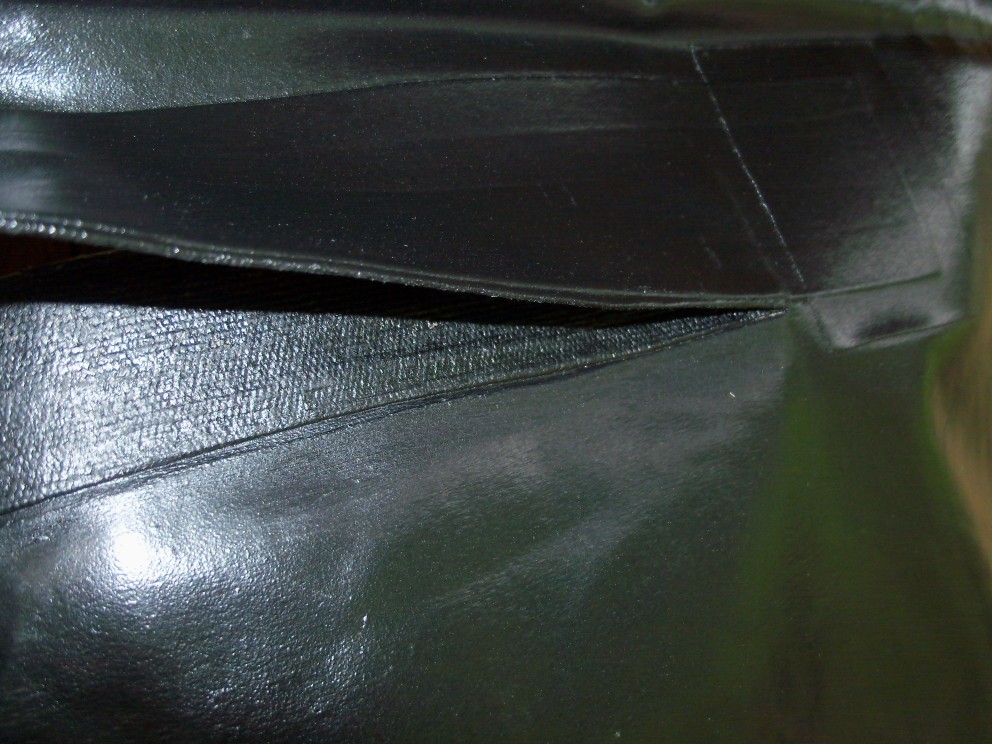
Army Pattern Vulcanized Rubber Poncho
$55.95
Description
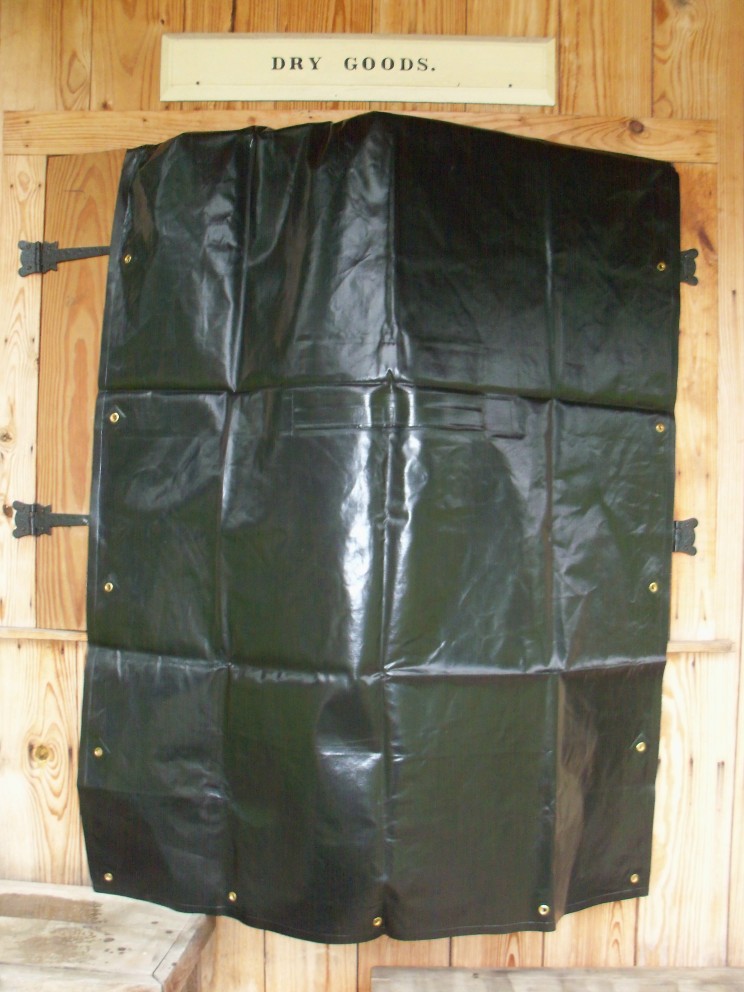
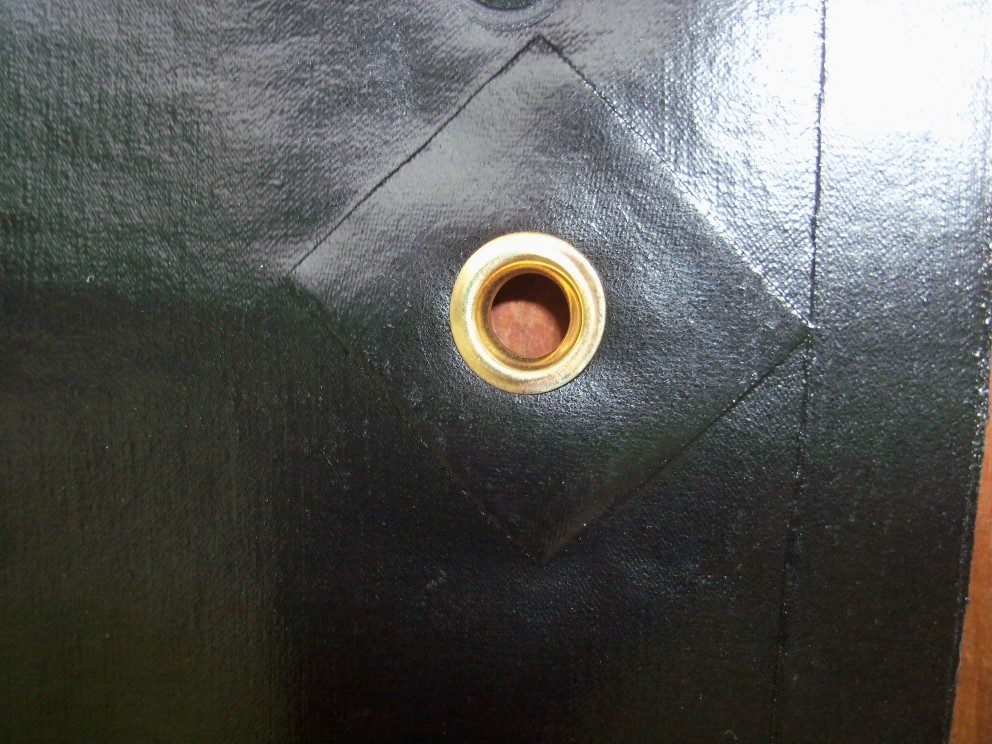
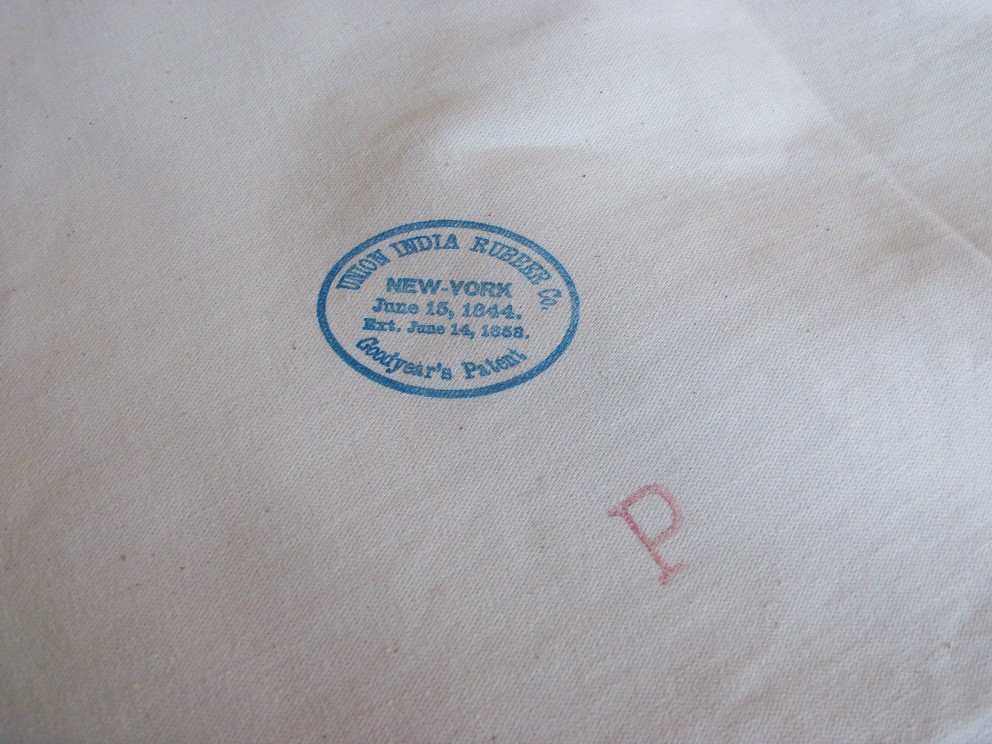
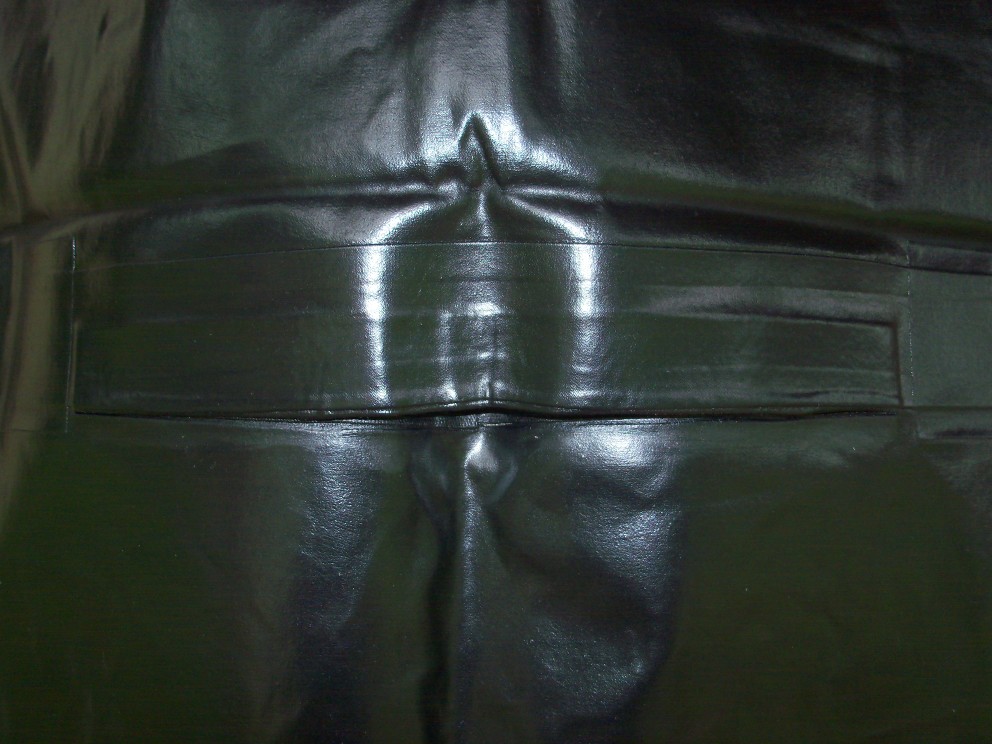
This is the standard weight, standard sized poncho. (heavier and more durable than our southern maker D.B. Camp, patent infringement vulcanized material, not currently available) Utilized by mounted service troops as opposed to the ground cloth authorized for foot soldiers – also later authorized for dismounted soldiers in lieu of the ground cloth. Twenty 5/8″ brass grommets. (seven on length side including corners) Vulcanized rubber coating on one side of white cotton. Reinforced around the edge and under each grommet. Reinforced slit in center to slip the poncho over the head. Each one bears the stamp of a documented period maker Union India Rubber Company, NY, no government inspection marks as we are a sutlery, making items available for private purchase, not a Quartermaster. These ponchos were made specifically to be worn to protect the trooper, his accoutrements and his saddle, by shedding water like the talma or raincoat. They could also be used to protect equipment exposed to weather as a cover off of the person. Though not intended specifically for such use – soldiers and many re-enactors employ them as a ground cloth also. The slit for the head has an overlap and will protect against dampness if not pulled apart. (neither the gum blanket nor the poncho were intended to be impervious to standing water – although we did stress test them thusly) There is some confusion as to what the actual effectiveness of this item was during the war, especially as it relates to most reproductions. Based on a large sampling of the QM reports during the testing of various productions of the item, it is not an exaggeration to say that most current reproductions are more effective, in some instances by far, than their original counterparts. As a poncho – shedding rainwater they are quite effective. (see our notes found in our Ground Blanket description) We have field tested these ponchos and stress tested the materials they are made from and are satisfied with their overall effectiveness in providing their intended utility. (it’s a poncho not a life preserver) It must also be stated that care and maintenance of your poncho is an important element of it’s effective life. Abuse of the item will result in the compromise of it’s effectiveness. If you are laying it out on sharp objects, such as pine cones, rocks, sharp sticks, etc, you will likely do some damage to it. If you use it for other than it’s intended purpose you may damage it. Proper drying is also essential to avoid weakening to it’s effectiveness. The maintained condition and strength of the cotton material is directly related to the strength and durability of the vulcanized coating. Remember – this item as issued was actually practically applied in it’s intended use a minority of days of the year – yet each soldier was issued a new one annually – as opposed to a wool blanket or overcoat every two years or twice in a five year enlistment – attesting to the wear and tear the original item was simply incapable of enduring. These ponchos will shed water and protect against dampness. That is what they were, and are now, made to do.
NOTE FROM GROUND CLOTH DESCRIPTION: Unfortunately due to the unrealistic expectations of some “re-enactors” in the market place today we must indicate the following qualications – you may not be able to stretch this over a wood frame and float in it, ad infinitum, like a boat down the river. Despite a few photos showing vulcanized material in such use – the fact is that during the period their was great variance in the quality of the finished product and few items, even those which received patents, and those which were vehemently claimed in advertisements, ever lived up to the standard that most people today would consider “waterproof”. (it’s a ground cloth not a life preserver) (the manufacturing process, then and now, is not absolutely perfect and there are inevitably tiny anomalies found in the surface of the material – we have found these anomalies in every one of the many historically made samples we have examined available to the Living History community, regardless of maker – the fact is there are only a few makers of this material still producing anywhere – regardless of who may be making the end product from it. There was but one or two exceptions as it relates to the anomalies which we found over the years that were actually made significantly heavier than the original item and as such are either of an anachronistic quality, or a rare anomaly in and of itself. Even with originals we have examined there is great variance in weight – few close to the specs indicated in QM regs and these anomalies are also seen on originals.) None the less, in our trials we inverted the blanket in a tub and actually filled it with water – even over areas where such manufacturing anomalies could be detected. (they are caused by very tiny air bubbles in the process and appear as tiny pin point size holidays in the coating when held up behind a very bright light – they are not evident to the naked eye on the coated surface with normal viewing) After several hours, even with the blanket stretched under the weight of the water, only a few dime sized very slightly discolored spots were evident, no beaded water – this is well beyond the stress of it’s intended purpose and completely consistent with the intended effectiveness of the item. It must also be stated that care and maintenance of your ground cloth is an important element of it’s life of effectiveness. Abuse of the item will result in the compromise of it’s effectiveness.
Additional information
| Weight | 2.50 lbs |
|---|
You must be logged in to post a review.
Related products
-
-
Soldier’s Campaign Scarf
$16.95 -
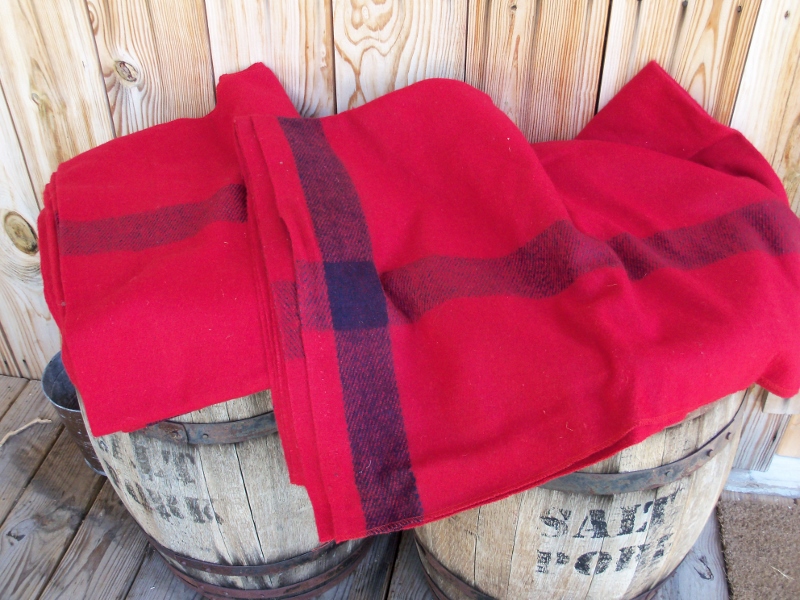
Red Wool Blanket
$48.95
Reviews
There are no reviews yet.