
Oiled Canvas Sword/Carbine Case
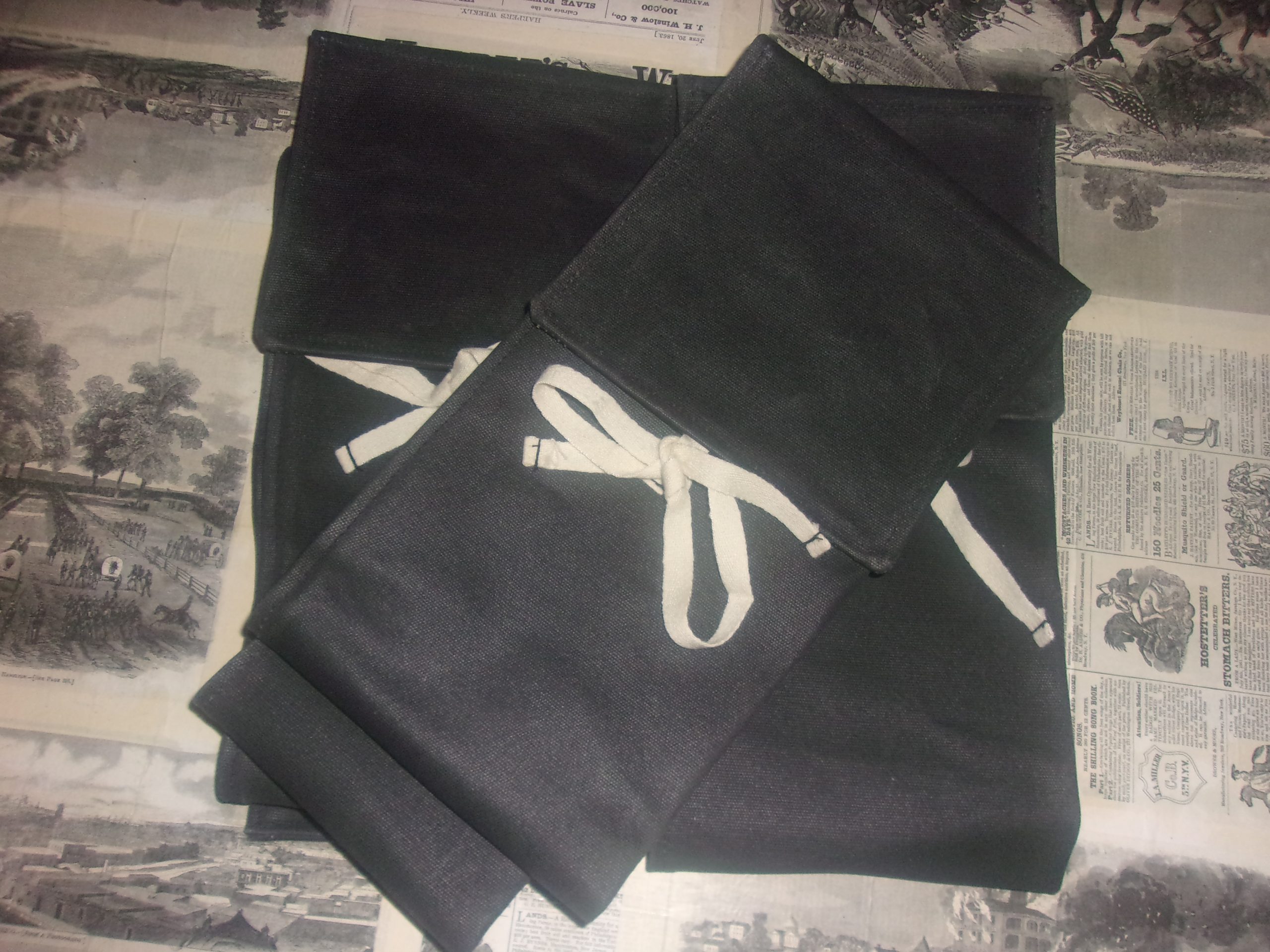
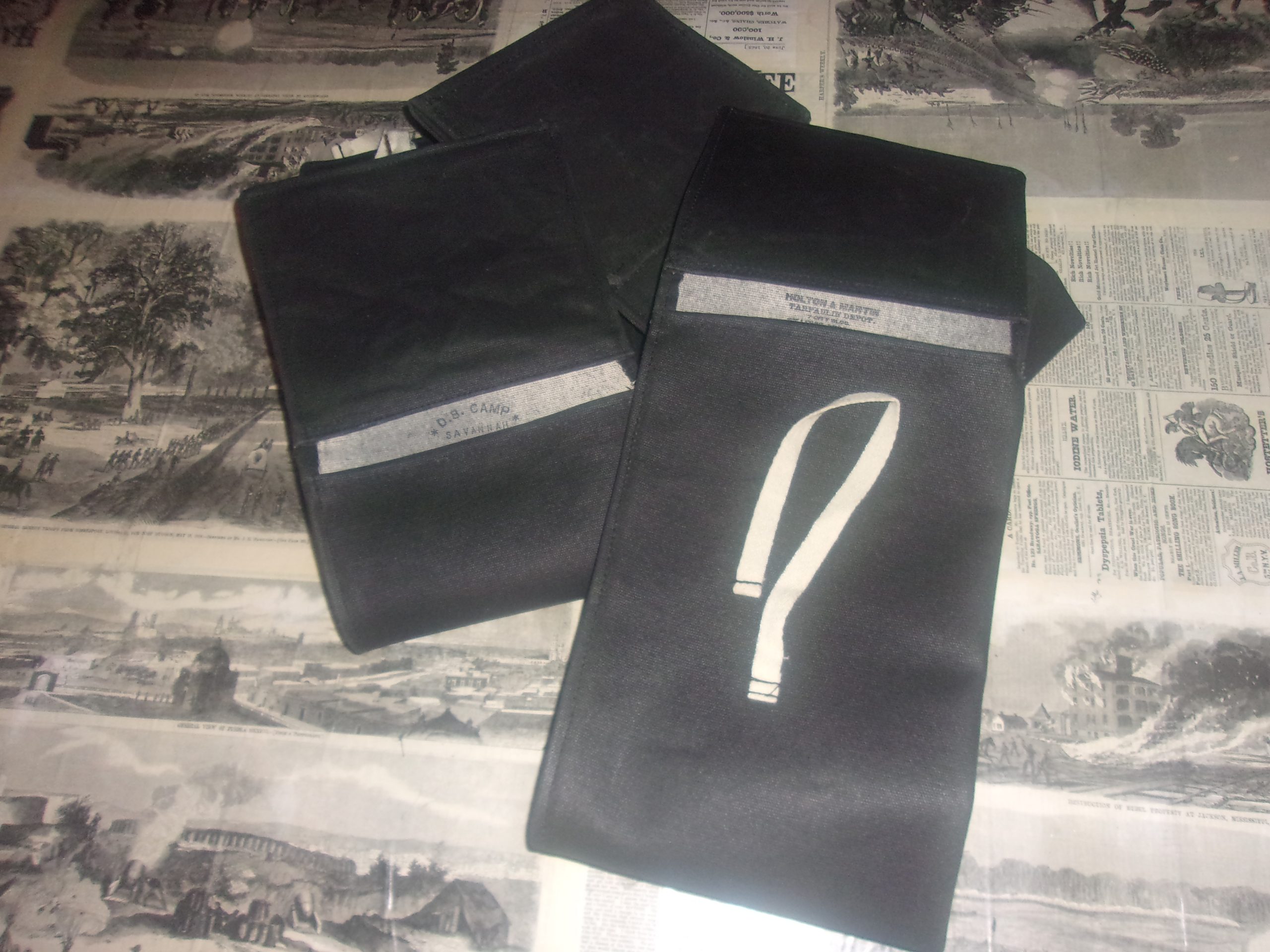
Oiled Canvas Sword/Carbine Case
Description
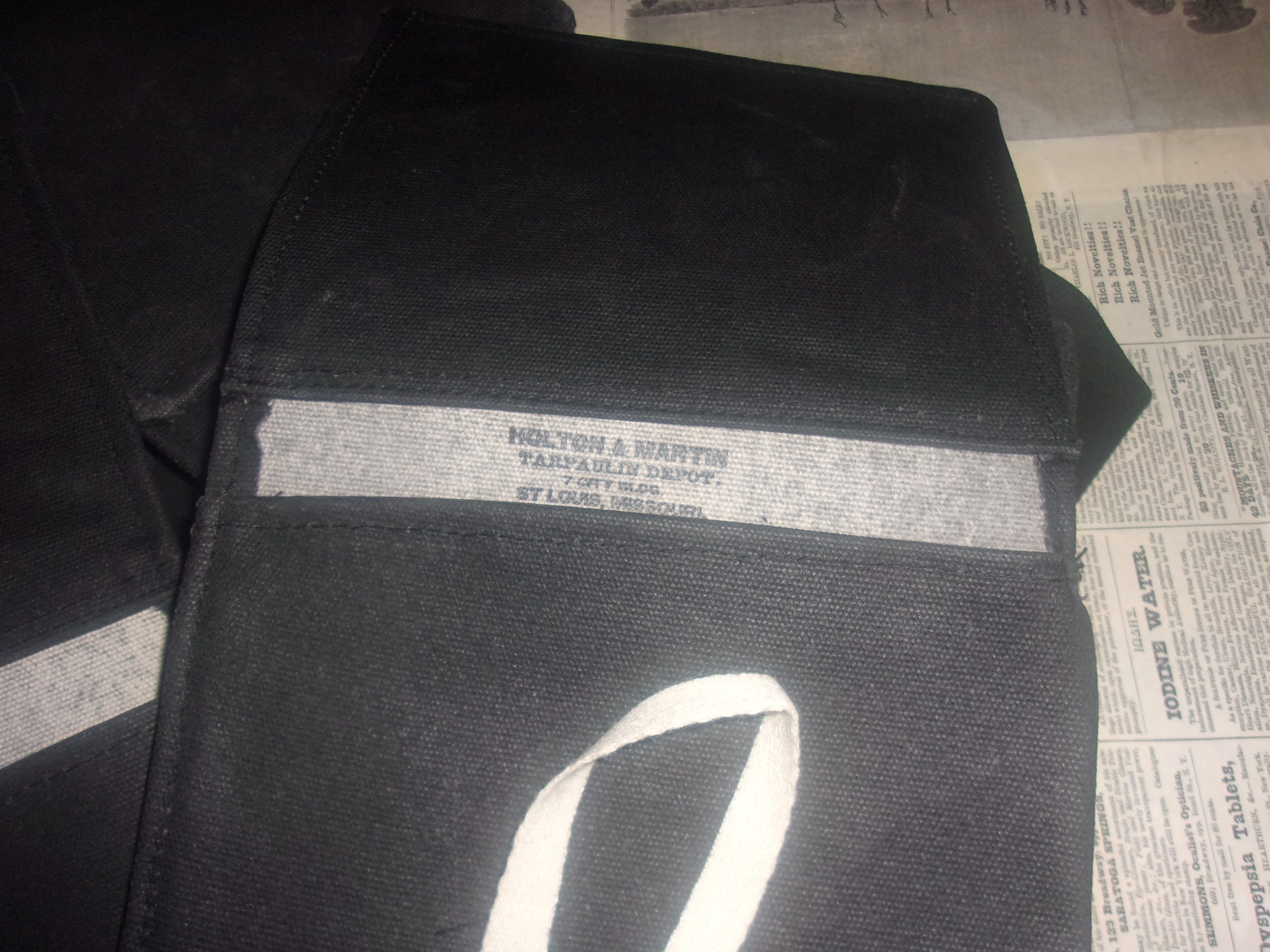
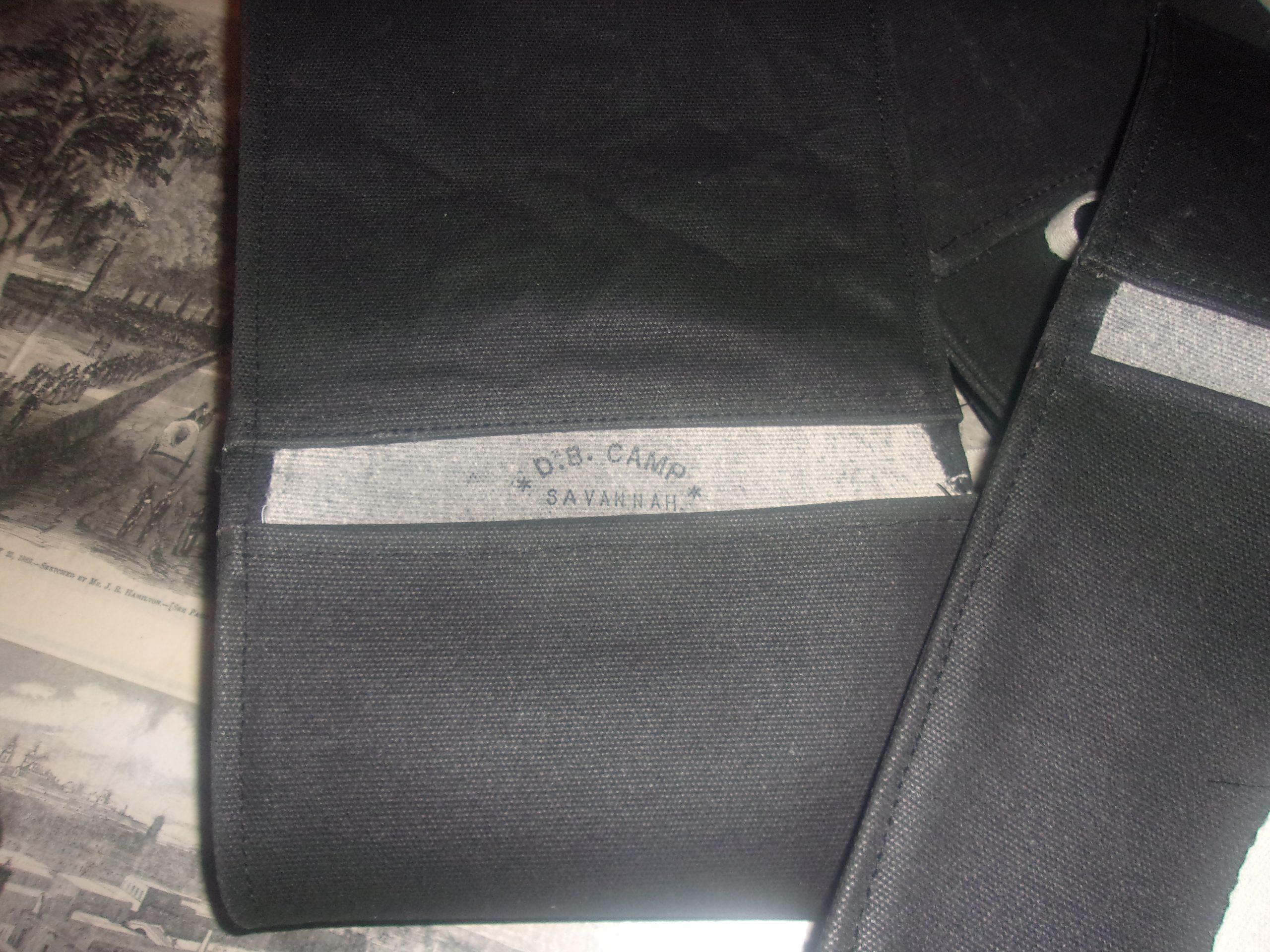
Here is our latest version of the myriad of “water proof” gun cases available during the period representing an oil treated painted canvas duck. The finish on these cases is more flat and dull than our regular painted canvas cases which have more of a gutta percha type finish with a satin sheen. While the common “painting” process of the period also penetrated the material the coating was a thicker consistency so it only showed coated on one side similar to vulcanized rubber. The oil based coating and method represented here almost fully penetrates the canvas so it bleeds through the other side with gray/black spotting. They are also a bit heavier and stiffer canvas. They are equally authentic as this also represents one of the many different applications being developed in the pre-war and wartime period for such items. (in fact predates the vulcanization process) We will also be making them available with appropriate period makers marks.
This variation is being produced by us consistent with our commitment to produce a more wide representation of the vast material culture of the period and provide alternatives to having certain products over-represented in the Living History community when compared to population and use ratios during the mid 19th century. One of the many variations of coated and painted products made during the period for both military supply and private purchase, designed to protect against moisture.
It measures 43″ long with the opening end 8″ wide, tapering to 6″ at the closed end. There is a 7″ flap which ties shut with unbleached herringbone cotton tape. This size will accommodate all swords from my stubby little presentation M1850 to the M1840 and M1860 enlisted saber. It will also accommodate several models of carbine.
Military trials for musket and gun cases made from various “waterproofing” materials began as early as the 1830s. By the 1850s there were more than a few manufacturers of materials with painted coatings and gutta percha or vulcanized rubber. Trial suggested that the thicker heavier coating on material produced a higher moisture resistant surface under more extreme moisture exposure, however, even with moderate use and exposure to temperature fluctuations, the coatings tended to scratch and peel rendering them inefficient thereafter in even moderate exposure. The thinner more penetrating formulas were moderately efficient under extreme moisture conditions but also held up much better under continued use making them efficient against moderate exposure for longer period of use, thus more field worthy. Marked for either the Holton and Martin Tarpaulin Depot of Saint Louis, who had pre-war and wartime contracts for haversacks and were established producers of such “waterproofed” items including gun, sword, and musket cases, or, D.B. Camp of Savannah, GA, a dealer and producer of all manner of goods in the prewar, wartime, and postwar period, being one of the few who survived the conflict in business. He was also one of the very few southern prewar and wartime entrepreneurs who advertised as a dealer and maker of rubber and waterproofed goods.
This material, like all such period products advertised as such during the period, is NOT “waterproof”, but like the haversack, coated with a water repellent black paint formulated just as in the day, to protect against moisture and dampness. While thicker and possibly more sturdy for rigorous campaign use than the thinner vulcanized rubber cotton drill, it is subject to the efficiency “trade-offs”as indicated. Here we simply offer an authentic choice based on one’s preferences. This in no way suggests that the vulcanized rubber cotton drill cases are less appropriate. One should not expect any of these products to protect it’s contents if exposed to standing water for any extended period. Our research has found no such item made for such weapons of the period were produced that proved durable or resistant long term against extended wear under continued stress. Extended use and exposure to friction can result in wear to the surface which will diminish the resistance to moisture. Additionally, the canvas cover is not padded and is not an ultimate protective against damage to your weapon. It is recommended that a musket/carbine/sword be wrapped or placed in a gun sock for such protection and place the canvas case over it if that is the desired result. Furthermore, if not wrapped, it is still recommended that at least the musket/carbine hammer, or any other relatively sharp protrusion be wrapped and protected as this part may damage the case or coating if pushed or banged against it with sufficient force.
Additional information
| Weight | 0.60 lbs |
|---|---|
| Maker | D.B Camp, Holton and Martin |
You must be logged in to post a review.
Related products
-
-
Vulcanized Sack Coat Length Raincoat
Price range: $99.95 through $109.95 -
 Sale!
CS Officer’s Campaign Coat
Price range: $146.95 through $150.95
Reviews
There are no reviews yet.